

Why AC Outdoor Unit Cleaning Is Essential for Efficiency
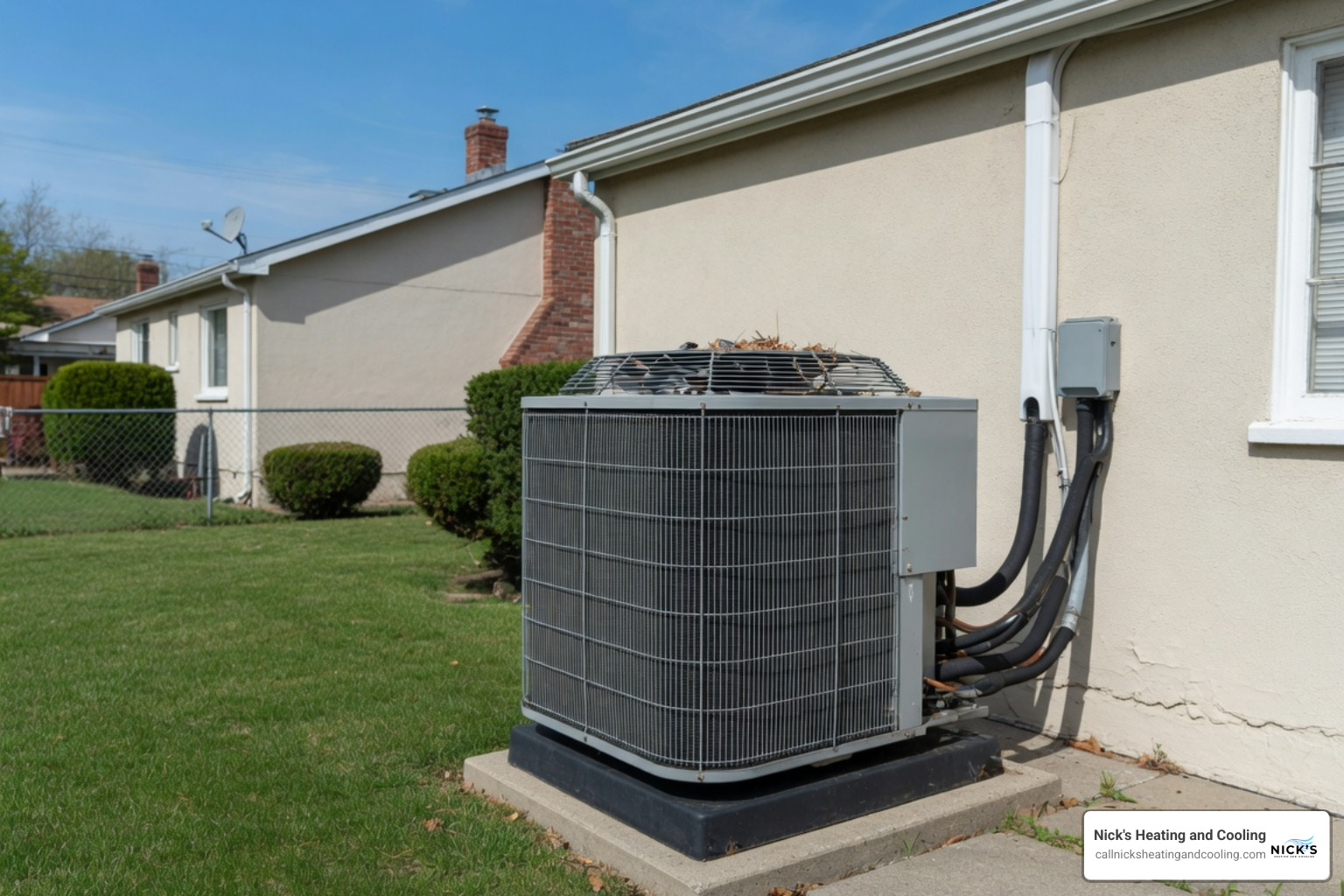
Your air conditioner doesn’t actually “create” cold air. Instead, it operates on heat transfer principles, extracting thermal energy from inside your living spaces and dumping it outdoors through the outdoor condenser unit. When dirt, grass clippings, mulch dust, and spring pollen coat the thin aluminum fins of the condenser coils, they form a thick insulating blanket. This grime layer acts as a thermal barrier, making it extremely difficult for the high-pressure refrigerant to release heat into the outside atmosphere.
When heat transfer stalls, your air conditioning system experiences severe airflow blockages and heightened head pressure. The compressor—the central pump and most expensive single component in your HVAC system—is forced to work significantly harder, running longer and hotter cooling cycles to satisfy the indoor thermostat setting. Over time, this intense mechanical stress causes electrical components to overheat, leading to premature component failure, burnt wiring, and sudden system breakdowns during the hottest peak summer days. To understand how preventative care safeguards your home’s comfort and prevents emergency repairs, learn Why Birmingham Homeowners Need Regular HVAC Maintenance.
Routine outdoor coil washing pays direct dividends on your monthly utility costs and system reliability. According to industry data highlighted by BTU Size, keeping your condenser coils clean improves overall efficiency by 10% to 15%, saving $10 to $25 per month during peak cooling months. Additionally, maintaining unobstructed outdoor airflow ensures your system manages indoor humidity properly, directly benefiting your home’s Indoor Air Quality.
Essential Tools and Safety Precautions Before You Start
Working on an outdoor air conditioner involves dealing with high-voltage electrical circuits, mechanical fan assemblies, and delicate metal fins. Taking time to properly prepare your personal protective equipment and gathering appropriate tools prevents dangerous electrical shocks, physical injury, or costly equipment damage.
Preparing Safety Precautions for AC Outdoor Unit Cleaning
Safety starts with total electrical isolation. Never rely solely on turning off your indoor wall thermostat, as internal system controls or automated schedules could re-energize the outdoor unit unexpectedly while you are working.
- Cut Power at the Disconnect Box: Locate the metal shutoff box mounted on the exterior wall within sight of your outdoor unit. Open the weather-resistant metal door and pull the disconnect block or pull-out plug entirely out of the switch, or flip the heavy-duty toggle switch to the “OFF” position.
- Turn Off Main Circuit Breaker: Walk to your home’s main electrical breaker panel and flip the double-pole circuit breaker labeled “Air Conditioner,” “AC,” or “HVAC” to the “OFF” position for redundant safety.
- Verify System Power: Return indoors to your thermostat and set it to cooling mode. Wait at least two minutes to verify that neither the outdoor fan motor nor the compressor turns on.
- Ensure Dry Working Conditions: Never perform maintenance on electrical equipment while standing in standing water, wet grass, or during rain. Wear rubber-soled shoes to ground yourself safely.
Required Tools and Materials Checklist
Gather all required supplies near the workspace before opening the disconnect box or removing panel fasteners:
- Standard garden hose equipped with an adjustable, gentle spray nozzle
- Commercial non-acidic, self-rinsing foaming coil cleaner (18–20 oz can) designed specifically for HVAC condenser coils
- Wet/dry shop vacuum equipped with a soft-bristle brush attachment
- Adjustable fin comb tool matching your unit’s fins-per-inch spacing or a small flathead screwdriver
- Nut driver set or standard screwdriver (typically a 5/16-inch or 1/4-inch hex driver for cabinet screws)
- Heavy-duty work gloves and protective safety goggles to protect against debris and chemical overspray
Step-by-Step Guide to DIY Outdoor AC Maintenance
Routine preventative maintenance keeps your central air conditioner operating smoothly and quietly throughout the humid summer months. Follow this structured step-by-step process to complete the cleaning task safely and thoroughly.
Clearing Perimeter Debris and External Grille
- Maintain Clearance: Clear away fallen leaves, low-hanging branches, encroaching weeds, and tall grass around the unit. Ensure a minimum of two feet of clear perimeter space around all sides of the cabinet to support unrestricted airflow.
- Remove Surface Debris: Put on work gloves and hand-pull thick leaves, twigs, trash, and grass clumps trapped against the exterior protective grille.
- Clean the Base Pan: Using your hex nut driver, carefully unscrew the top fan grille assembly. Gently lift the top panel and fan motor, making sure not to stretch or place tension on the connected electrical wiring. Set the top panel securely to the side or balance it carefully on the cabinet rim. Use a shop vacuum to extract dead leaves, mud, pine needles, and accumulated sludge from the bottom base pan and clear all drainage holes.
For detailed guidelines on removing stubborn debris without damaging internal components, check out this guide on How to Remove Debris from Your Outdoor AC Unit (DIY & Pro Tips).
Cleaning Condenser Coils and Straightening Fins
- Vacuum Fins Vertically: Run your shop vacuum’s soft brush attachment gently up and down along the exterior aluminum fins to remove loose dirt, cobwebs, and seed pods. Never sweep horizontally, as horizontal friction instantly crushes delicate aluminum fins.
- Apply Foaming Coil Cleaner: Generously spray a uniform coat of non-acidic foaming coil cleaner across the condenser coils from top to bottom. Allow the foam to activate and expand for 5 to 10 minutes. As the foam expands, it breaks down sticky grime and pushes deeply embedded dirt outward from between the fins.
- Rinse with a Garden Hose: Direct your garden hose spray from the inside of the cabinet outward through the fins. If interior access is restricted, spray from the outside pointing downward at a 45-degree angle. This flushes trapped dirt away without pushing water into the electrical compartment.
- Align Bent Fins: Carefully inspect the exterior coil surface for crushed or bent aluminum fins. Insert a fin comb matching your unit’s fin count and gently slide it vertically to straighten flattened aluminum strips and restore open air passages.
For additional insider insights and professional tips, read these expert steps on How To Clean Your AC Coils Like the Pros Do. Allow all components to dry completely for at least 30 to 60 minutes before reinstalling the top grille, restoring electrical power, and turning on the system.
Common DIY Mistakes That Can Ruin Your Condenser
A simple weekend maintenance project can quickly turn into an expensive emergency repair if key precautions are ignored. Avoiding these common DIY mistakes will protect your cooling equipment from severe structural and electrical damage:
- Horizontal Brushing: Scrubbing side-to-side across aluminum fins crushes the delicate metal strips, permanently sealing off airflow paths.
- Using Solid Winter Covers: Encasing the outdoor condensing unit completely in plastic or heavy tarp during the off-season traps moisture inside the cabinet, accelerating metal corrosion and creating an inviting winter nest for rodents and pests.
- Exposing Electrical Components: Blasting water directly into the electrical control box, capacitor enclosure, or wire conduits can cause short circuits, blown fuses, and destroyed electrical controls.
How Pressure Washers Ruin AC Outdoor Unit Cleaning
Never use a high-pressure power washer on an outdoor central air conditioning unit under any circumstances. Condenser fins are constructed from paper-thin aluminum, often spaced tightly at 14 to 22 fins per inch. High-pressure water streams instantly flatten these soft metal fins, folding them flat against the copper tubes and completely sealing off air channels. Restricted airflow severely starves the system of air, causing extreme compressor overheating, thermal overload shutdowns, and catastrophic mechanical failure. Always stick to a standard garden hose set to moderate water pressure.
Chemical Mistakes to Avoid During Maintenance
Using improper chemical solutions causes immediate and irreversible chemical damage to HVAC metals. Never use household bleach, vinegar, industrial degreasers, or harsh acidic metal cleaners on your condenser coils. Acidic chemicals dissolve the protective coating on aluminum fins and corrode internal copper refrigerant tubing, leading to microscopic pinhole leaks that release expensive refrigerant into the atmosphere. Always select non-acidic, self-rinsing foaming cleaners specifically formulated for outdoor aluminum condenser coils.
To understand the long-term impact of improper chemical use and neglected coil maintenance, read What a Refrigerant Wash Does for Neglected Outdoor Coils.
Knowing When to Call an HVAC Professional
While surface washing and clearing pine needles is a manageable DIY task for homeowners, deeper mechanical, electrical, or structural issues require licensed professional expertise. Call an experienced technician if you encounter any of the following warning signs:
- Refrigerant Leaks: White chalky residue, oily stains along copper joints, or ice forming along suction lines indicate a dangerous refrigerant leak that requires certified handling.
- Severe Fin Damage: If more than 20% of your condenser coil fins are smashed or flattened from hail or heavy impacts, specialized professional tools and techniques are necessary.
- Pet Urine Corrosion: Pet urine contains acidic ammonia that causes severe deep-tissue chemical corrosion on lower coil fins, which standard water rinsing cannot reverse.
- Electrical Issues: Loud buzzing noises, burnt wire insulation odors, or circuit breakers that repeatedly trip indicate failing capacitors or dangerous short circuits.
If your system operates poorly, makes unusual noises, or struggles to maintain comfortable indoor temperatures after basic cleaning, schedule professional AC Repair or comprehensive preventative AC Maintenance. For more insights on professional service standards, see How to Clean Your Outside AC Unit Like an HVAC Expert.
Frequently Asked Questions About Outdoor AC Maintenance
How often should an outdoor AC unit be cleaned?
You should deep clean your outdoor AC unit at least once a year, preferably in early spring before the summer cooling season begins. However, if your home is located near cottonwood trees, heavy pine foliage, dirt roads, or active lawn mowing paths, inspect the coils monthly and perform a light coil rinse twice per season.
What are the signs that my outdoor unit needs cleaning?
Common warning signs of dirty condenser coils include steadily rising electric utility bills, warm or lukewarm air blowing from indoor supply vents, unusually long cooling cycles, constant system running, and visible blankets of dirt, grass, or pollen caked onto the exterior cabinet fins.
Does cleaning the outdoor AC unit improve indoor air quality?
Yes, indirectly. Cleaning the outdoor unit restores optimal system airflow and cooling capacity, enabling your air conditioner to effectively remove indoor humidity. Proper humidity control keeps indoor relative humidity below 50%, preventing mold spore growth inside ductwork and living spaces while reducing strain on internal indoor blower motors and improving overall indoor comfort.
Conclusion
Routine AC outdoor unit cleaning is a practical, highly effective way to protect your home cooling investment, reduce monthly energy bills, and significantly extend equipment lifespan. By maintaining clear perimeter clearance, gently flushing coils with low-pressure water, and avoiding high-pressure power washers or harsh chemicals, you keep your central air conditioning unit operating cleanly and efficiently all summer long.
If you encounter heavy grime accumulation, severely bent coil fins, electrical concerns, or cooling performance issues, do not risk damaging expensive system components. Reach out to the certified team at Nick’s Heating and Cooling or visit our Contact page to schedule a professional inspection and tune-up today.
Nick’s Heating and Cooling currently services Birmingham, Hoover, Vestavia Hills, Mountain Brook, Alabaster, Chelsea, Homewood, Trussville, Pelham, and Irondale for all your HVAC and Heating needs.